Interactive Social Media Vocabulary

The Interactive Social Media Vocabulary page helps students learn and understand important words related to social media and everyday communication. In this lesson, students will explore 15 useful vocabulary words such as issue, influence, behaviour, opportunities, and awareness. These words help learners talk about how social media affects people, communities, and society.
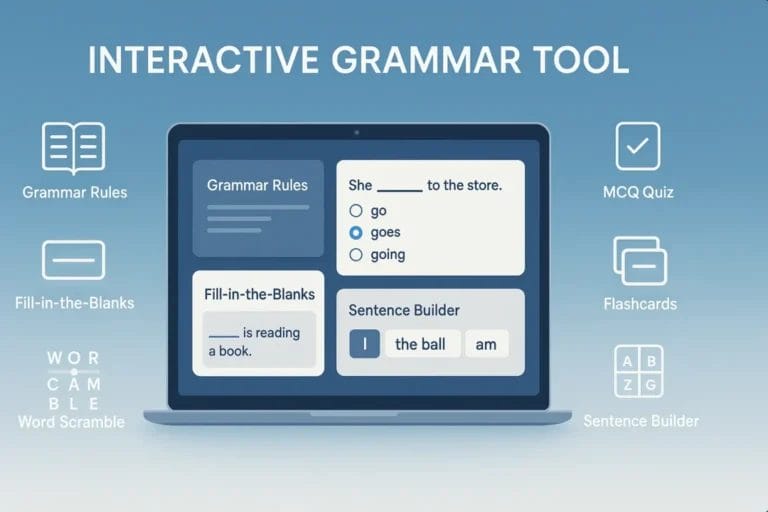
Through interactive activities like quizzes, flashcards, fill-in-the-blanks, matching, and sentence building, students can practice the vocabulary in a fun and engaging way. By learning the meanings, parts of speech, and example sentences, students will improve their vocabulary and better understand how these words are used in real situations. The Interactive Social Media Vocabulary activities make learning easier, more enjoyable, and more effective for students
Interactive Social Media Vocabulary
Vocabulary Word List
Review the words, meanings, and examples below before starting the activities.
Click the speaker icon 🔊 to hear the pronunciation. Click any example sentence to hear it read aloud.
Issue
NounAn important problem or topic.
- Social media safety is an important issue for students.
- The teacher discussed the issue of cyberbullying in class.
- Privacy is a serious issue when using online platforms.
Real World Use Case: 🔗 Issue on Youglish
Encounter
VerbTo meet or experience something.
- Many teenagers encounter social media every day.
- She was surprised to encounter so many advertisements online.
- Students may encounter harmful content if they are not careful.
Real World Use Case: 🔗 Encounter on Youglish
Influence
Verb / NounThe power to change someone’s thoughts or actions.
- Social media can influence how young people think.
- Friends and family have a strong influence on our decisions.
- Advertisements are designed to influence what people buy.
Real World Use Case: 🔗 Influence on Youglish
Behaviour
NounThe way a person acts.
- Teachers help students improve their behaviour at school.
- Posting rude comments online is an example of bad behaviour.
- His behaviour on social media was kind and respectful.
Real World Use Case: 🔗 Behaviour on Youglish
Attitudes
NounThe way someone thinks or feels about something.
- Social media can change people’s attitudes about different topics.
- Having positive attitudes helps students learn better.
- The campaign tried to improve public attitudes towards mental health.
Real World Use Case: 🔗 Attitudes on Youglish
Opportunities
NounChances to do something good.
- The internet gives students many opportunities to learn.
- Social media creates opportunities for people to share their talents.
- She used online platforms to find new job opportunities.
Real World Use Case: 🔗 Opportunities on Youglish
Communities
NounGroups of people living or working together.
- Social media can help people support their communities.
- Online communities allow people with similar interests to connect.
- Local communities use social media to share important news.
Real World Use Case: 🔗 Communities on Youglish
Development
NounThe process of growing or improving.
- Reading books helps in a child’s development.
- Too much screen time can slow down a child’s social development.
- Technology plays a big role in the development of modern education.
Real World Use Case: 🔗 Development on Youglish
Disadvantages
NounThe negative or bad sides of something.
- One of the disadvantages of social media is spending too much time online.
- The disadvantages of sharing personal information online include privacy risks.
- Students discussed the disadvantages of using phones during class.
Real World Use Case: 🔗 Disadvantages on Youglish
Dependent
AdjectiveNeeding something too much.
- Some people become dependent on their phones.
- Children should not become dependent on screens for entertainment.
- Being too dependent on social media can affect your mental health.
Real World Use Case: 🔗 Dependent on Youglish
Consequences
NounResults that happen after an action.
- Using social media too much may have negative consequences.
- Sharing false information online can have serious consequences.
- He did not think about the consequences before posting the photo.
Real World Use Case: 🔗 Consequences on Youglish
Recognise
VerbTo understand or realise something.
- Students should recognise the dangers of using the internet carelessly.
- It is important to recognise fake news before sharing it.
- Parents help children recognise safe and unsafe websites.
Real World Use Case: 🔗 Recognise on Youglish
Responsibly
AdverbIn a careful and sensible way.
- People should use social media responsibly.
- She responsibly checked the facts before sharing the article.
- Using the internet responsibly means respecting others online.
Real World Use Case: 🔗 Responsibly on Youglish
Guidance
NounAdvice or help from someone.
- Teachers give guidance to students about online safety.
- Parents provide guidance on how long children should use their devices.
- The school offers guidance on how to deal with cyberbullying.
Real World Use Case: 🔗 Guidance on Youglish
Awareness
NounKnowing and understanding something.
- Schools teach students about social media awareness.
- Awareness of online risks helps young people stay safe.
- The campaign raised awareness about the effects of screen addiction.
Real World Use Case: 🔗 Awareness on Youglish