
Unlock 1 – Unit 6 – Homes and buildings – LS – Vocabulary 1

The vocabulary introduced here is from the “Unlock 1” Listening and Speaking book. Specifically, it comes from the unit 6 (Homes and buildings) and it is the first vocabulary set.
Grass Definition: A plant with thin, green leaves that grows close to the ground in gardens and fields.
- The cows ate the soft grass in the field, making it shorter as they grazed.
- We sat on the grass under the tree during our picnic.
- The grass in the garden turned brown because it needed more water.
- Real World Use Case: 🔗 Grass on Youglish
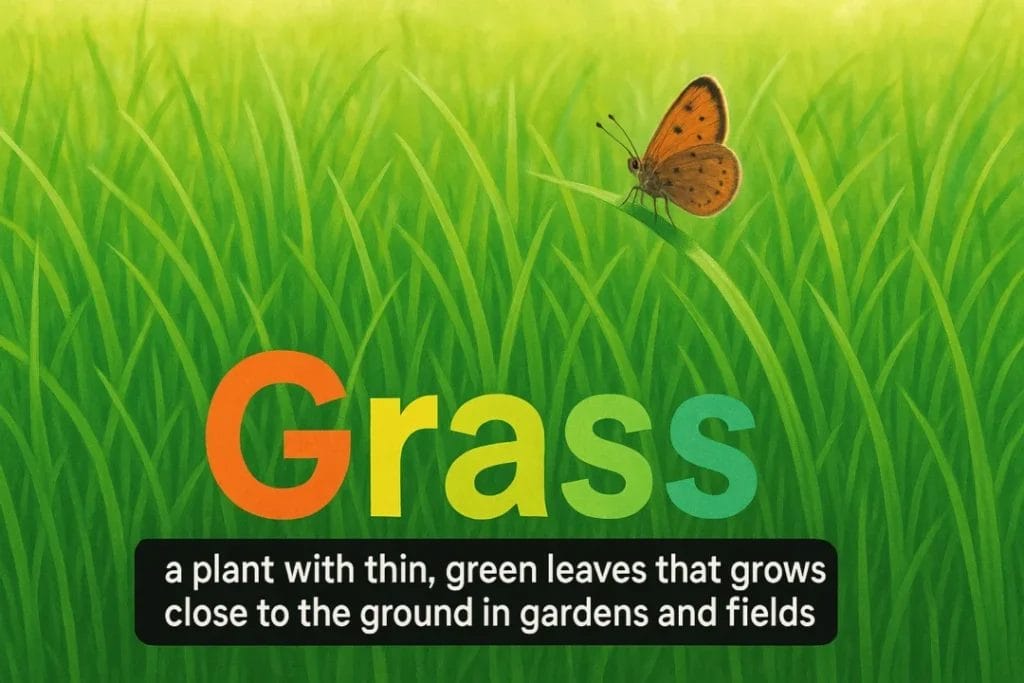
Hill Definition: A small mountain.
- We climbed the hill to see the beautiful view of the valley below.
- The hill was covered in flowers, making it look colorful in spring.
- He rolled a ball down the hill and laughed as it went fast.
- Real World Use Case: 🔗 Hill on Youglish
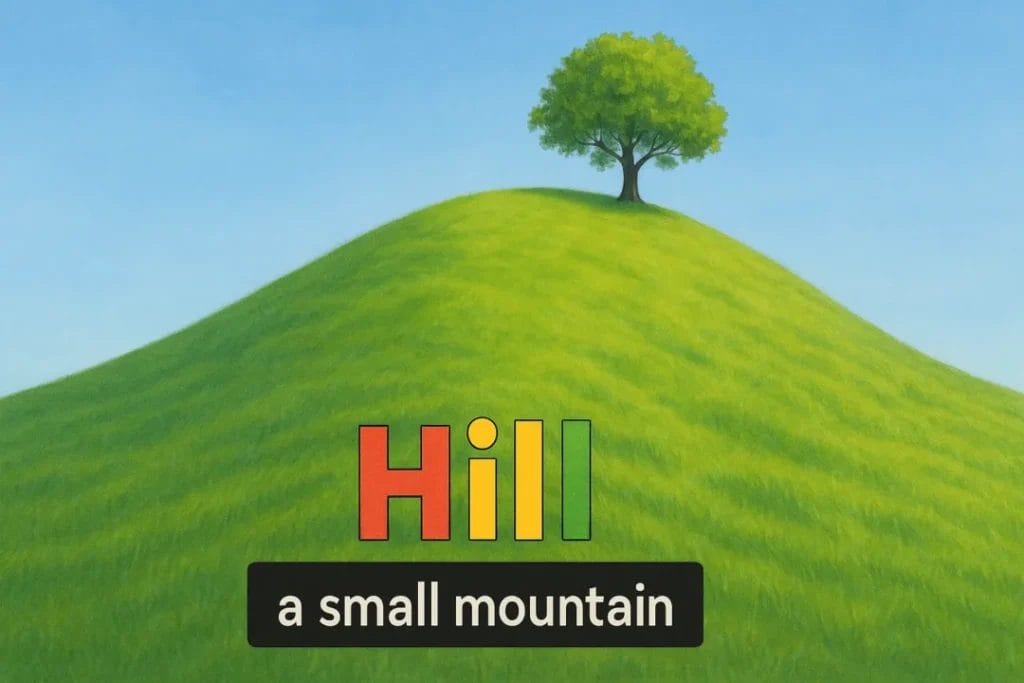
Island Definition: A piece of land that has water all around it.
- Hawaii is a sunny island where people go to swim in the ocean.
- She dreamed of living on a quiet island with palm trees and beaches.
- The boat sailed to the small island to explore its sandy shores.
- Real World Use Case: 🔗 Island on Youglish

Rock Definition: A very hard part of the ground.
- He skipped a flat rock across the lake to make it bounce on the water.
- The path was bumpy because of the big rocks sticking out of the ground.
- She found a shiny rock by the river and kept it as a treasure.
- Real World Use Case: 🔗 Rock on Youglish
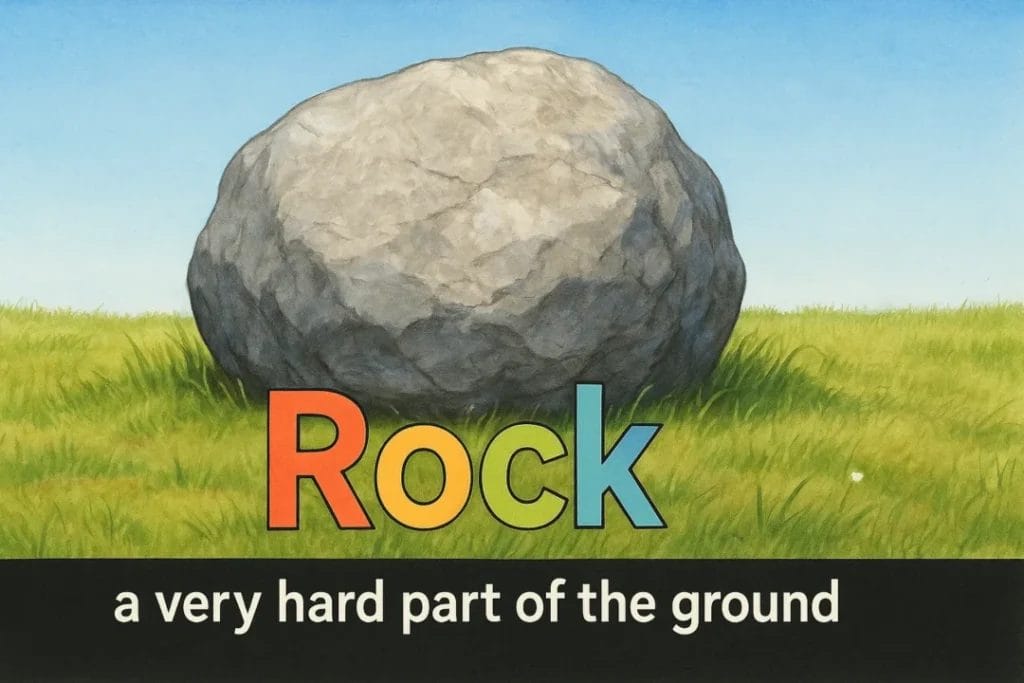
Village Definition: A small town, usually in the countryside.
- The village had only a few houses and a little shop for food.
- We visited my grandma in her peaceful village surrounded by farms.
- The village celebrated the harvest with music and dancing.
- Real World Use Case: 🔗 Village on Youglish
Warm Definition: Not cold, but not very hot.
- The warm breeze felt nice on our skin during the walk.
- She wrapped up in a blanket on the warm evening by the fire.
- The warm milk helped the baby sleep better at night.
- Real World Use Case: 🔗 Warm on Youglish

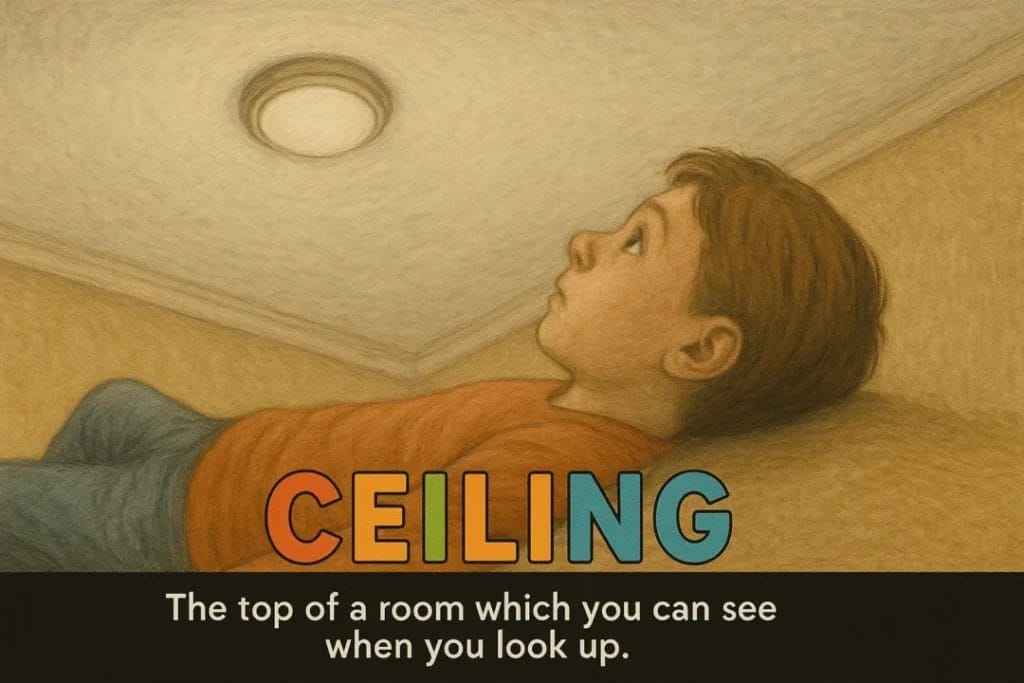
Ceiling Definition: The top of a room which you can see when you look up.
- The ceiling in the classroom was painted white and had bright lights.
- She hung a colorful mobile from the ceiling to decorate her room.
- The ceiling was so high that it made the house feel big.
- Real World Use Case: 🔗 Ceiling on Youglish
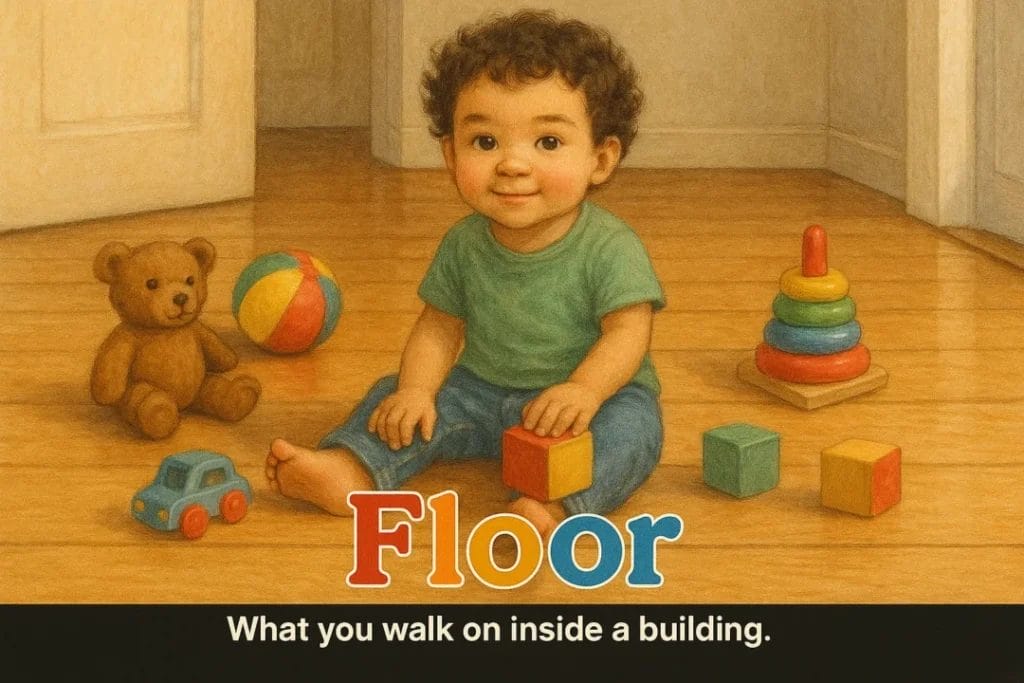
Floor Definition: What you walk on inside a building.
- The floor in the kitchen was shiny and made of tiles.
- She dropped her pencil on the floor during the class.
- They cleaned the floor to make the room look neat.
- Real World Use Case: 🔗 Floor on Youglish
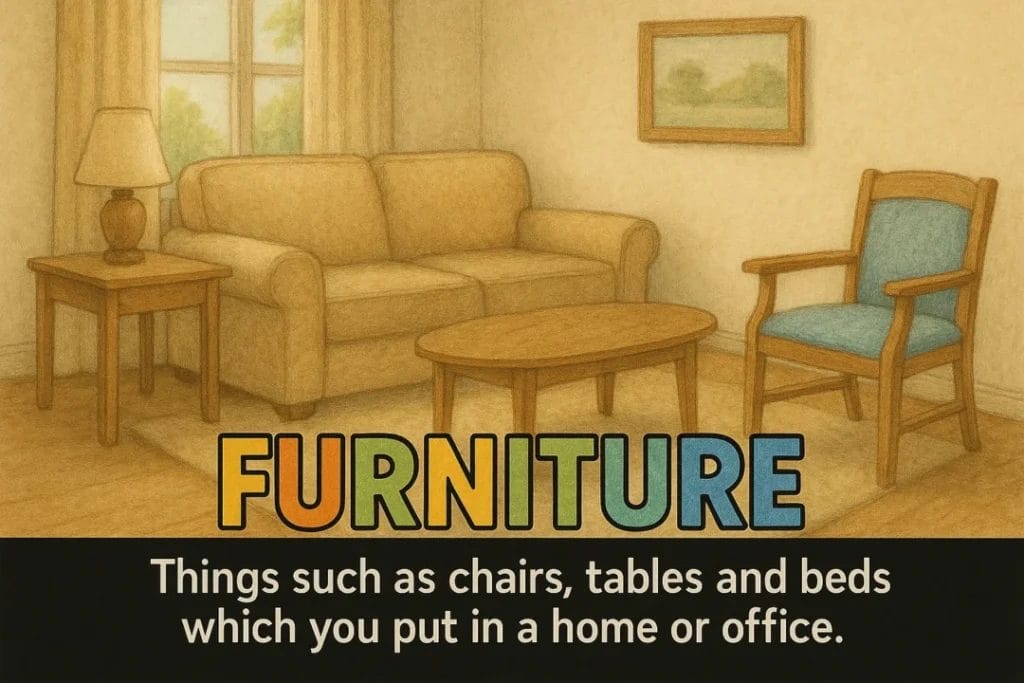
Furniture Definition: Things such as chairs, tables, and beds which you put in a home or office.
- The furniture in the living room included a soft sofa and a table.
- She bought new furniture to make her office more comfortable.
- The furniture in the bedroom was painted to match the walls.
- Real World Use Case: 🔗 Furniture on Youglish
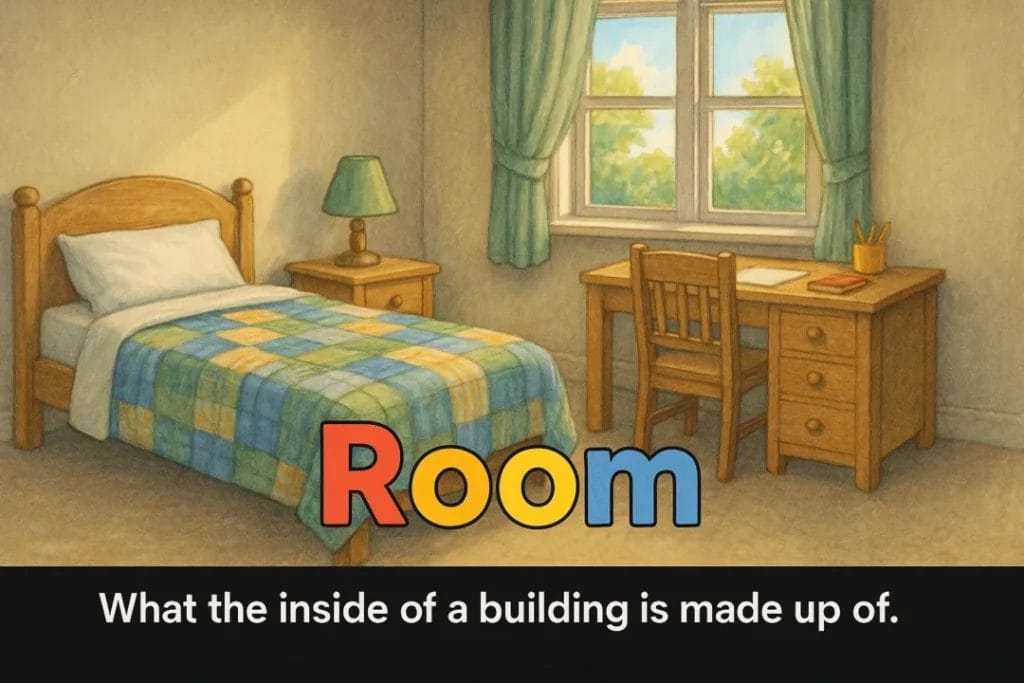
Room Definition: What the inside of a building is made up of.
- Her room has a big bed and a desk for studying.
- The room was quiet, perfect for reading a book.
- They painted the room blue to make it feel calm.
- Real World Use Case: 🔗 Room on Youglish
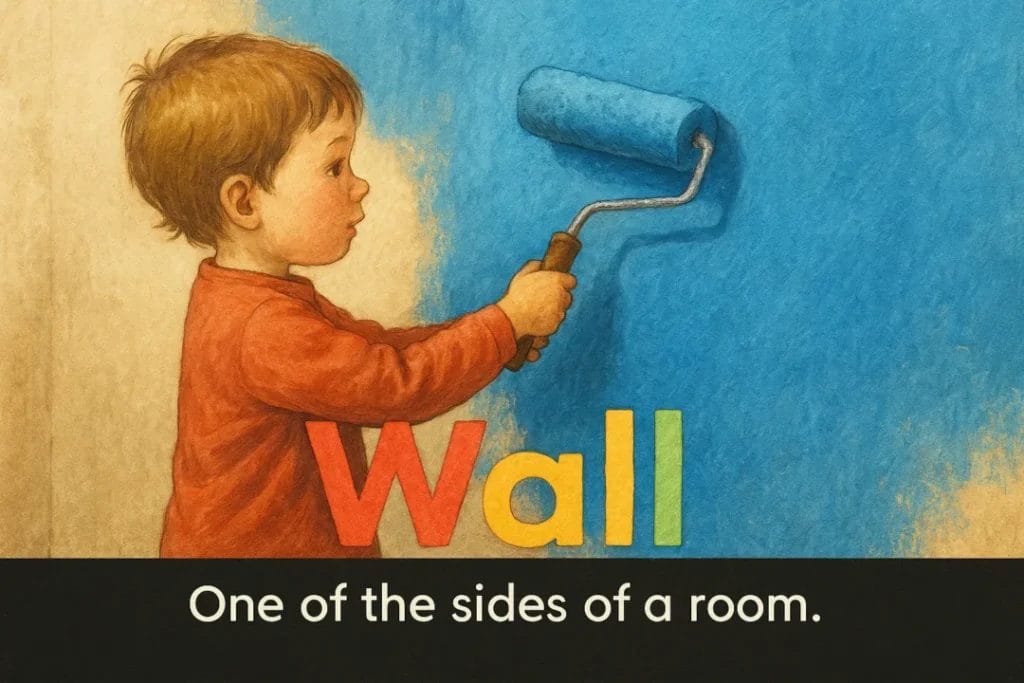
Wall Definition: One of the sides of a room.
- She hung a picture on the wall to decorate her bedroom.
- The wall in the classroom was covered with colorful posters.
- They painted the wall white to make the room look brighter.
- Real World Use Case: 🔗 Wall on Youglish
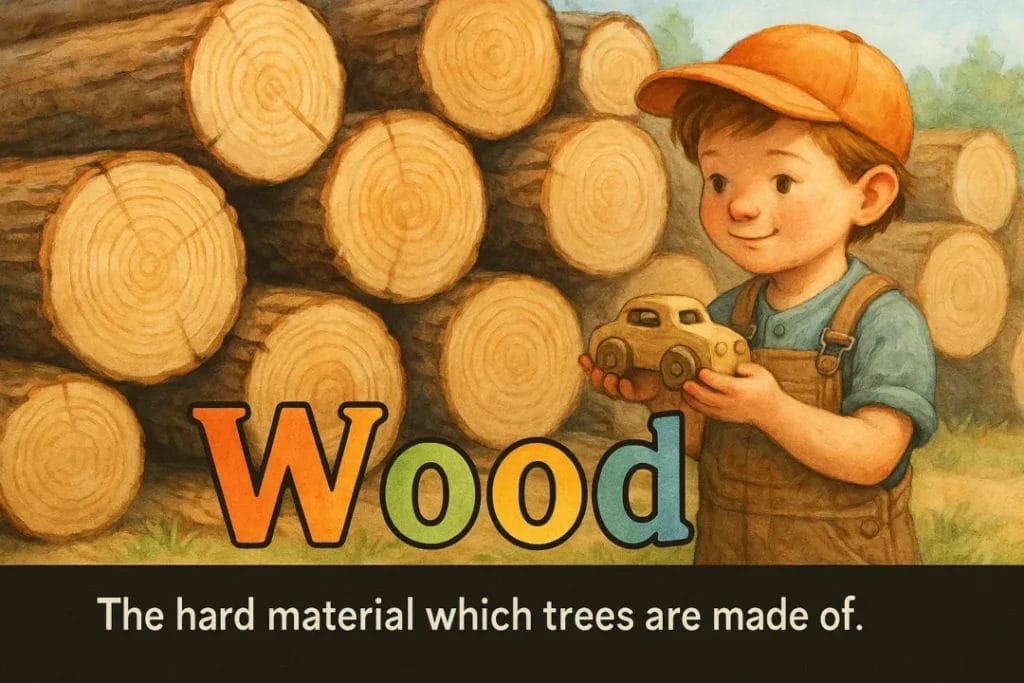
Wood Definition: The hard material which trees are made of.
- The table was made of wood from a strong oak tree.
- He used wood to build a small shelf for his books.
- The wood in the fireplace burned warmly on cold nights.
- Real World Use Case: 🔗 Wood on Youglish
Architect Definition: Someone who designs buildings.
- The architect drew plans for a new school with big windows.
- She wants to be an architect and create beautiful houses.
- The architect designed a tall building for the city center.
- Real World Use Case: 🔗 Architect on Youglish

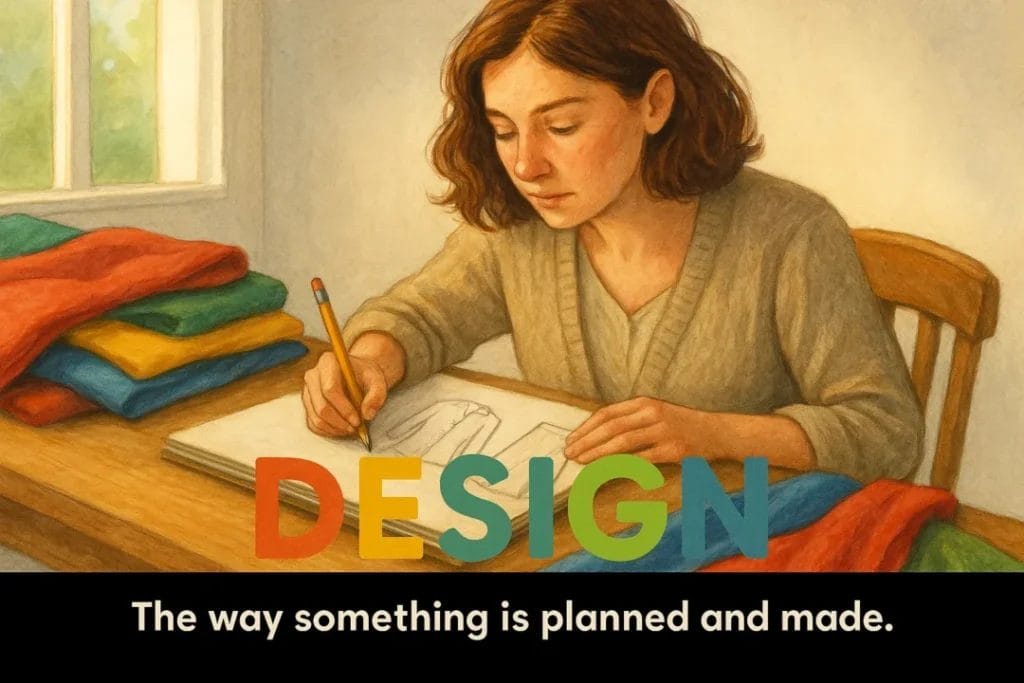
Design Definition: The way something is planned and made.
- The design of the new car was sleek and modern.
- She loved the design of her dress with colorful patterns.
- The design of the park included a fountain and benches.
- Real World Use Case: 🔗 Design on Youglish
Psychologist Definition: Someone who knows about people’s thoughts and feelings.
- The psychologist helped her feel better by talking about her worries.
- He visited a psychologist to learn how to manage stress.
- The psychologist works with students to understand their feelings.
- Real World Use Case: 🔗 Psychologist on Youglish

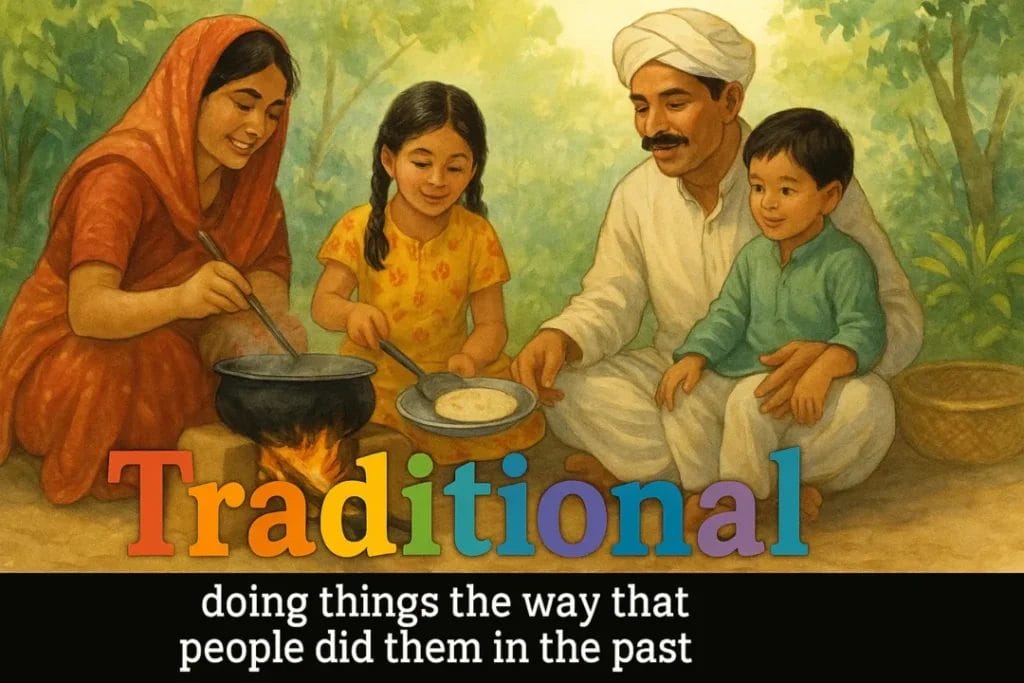
Traditional Definition: doing things the way that people did them in the past.
- They wore traditional clothes for the festival, like colorful skirts.
- The traditional dance had steps passed down from grandparents.
- He ate traditional food, such as rice and beans, for the holiday.
- Real World Use Case: 🔗 Traditional on Youglish
Interactive Vocabulary
Activity 1: Multiple Choice Quiz
Choose the correct definition for each word.
Vocabulary Activities
Here are some engaging vocabulary activities related to the words mentioned above. These activities will reinforce the vocabulary you’ve just taught your students.
Matching – Vocabulary Quiz
In this activity, the students will match the words with their respective definitions.
Word Search – Find the hidden words in a letter Grid
In this activity, the students will search for the words that the teacher has taught. The words are hidden in a letter grid.
Spin the Wheel – Find the word
In this game, the teacher will spin a wheel, and eventually, it will stop. When the wheel stops, the students will see the meaning of a specific word. Then, the teacher will ask one of the students to guess the word by carefully reading its definition. The teacher may ask the student to make a sentence for the word.
Unscramble the word or phrase – Vocabulary Quiz
In this activity, the students will move the letters around to put them in the right order and reveal a word or phrase. All these words are connected to the above vocabulary.
Open the box
In this fun activity, the teacher will choose one of the students to participate. First, that student will pick a number. Then, the teacher will click on the chosen number. What happens next? Well, the student will see the meaning of a word—a word related to the vocabulary the teacher has taught in class. Now comes the exciting part: the student needs to read the meaning and guess the word! If the guess is correct, the teacher might even ask the student to create a sentence using that word.