
Unlock 1 -Unit 2 – Seasons – RW – Vocabulary 1

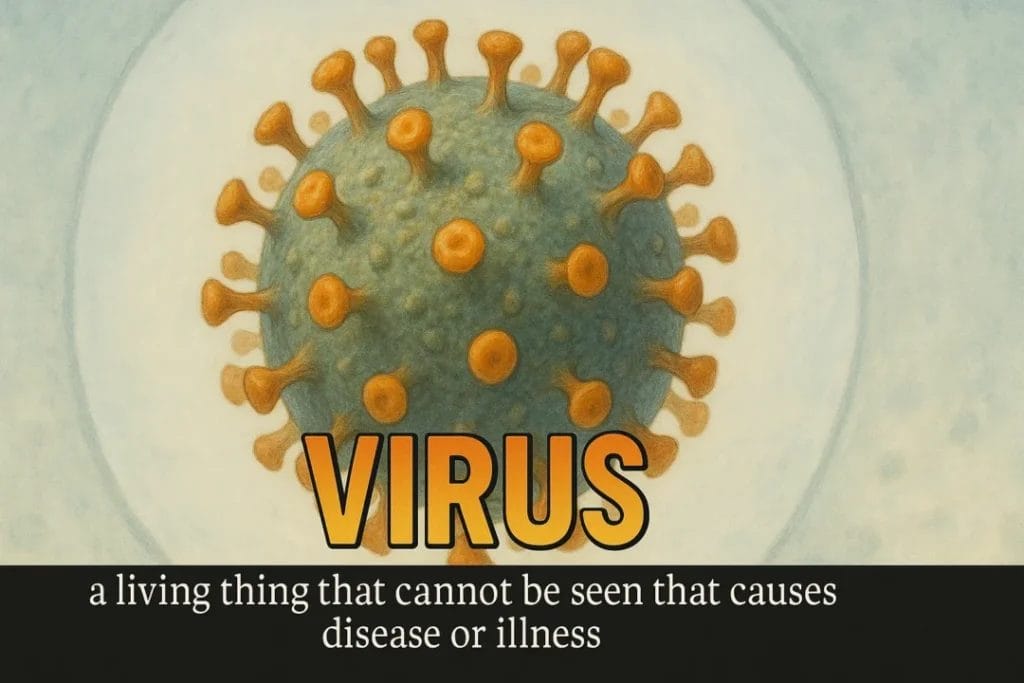
Virus Definition: A living thing that cannot be seen that causes disease or illness.
- The doctor said a virus made her cough and feel sick for a week.
- Washing hands helps stop the virus from spreading to other people.
- He stayed home from school because a virus gave him a fever.
- Real World Use Case: 🔗 Virus on Youglish
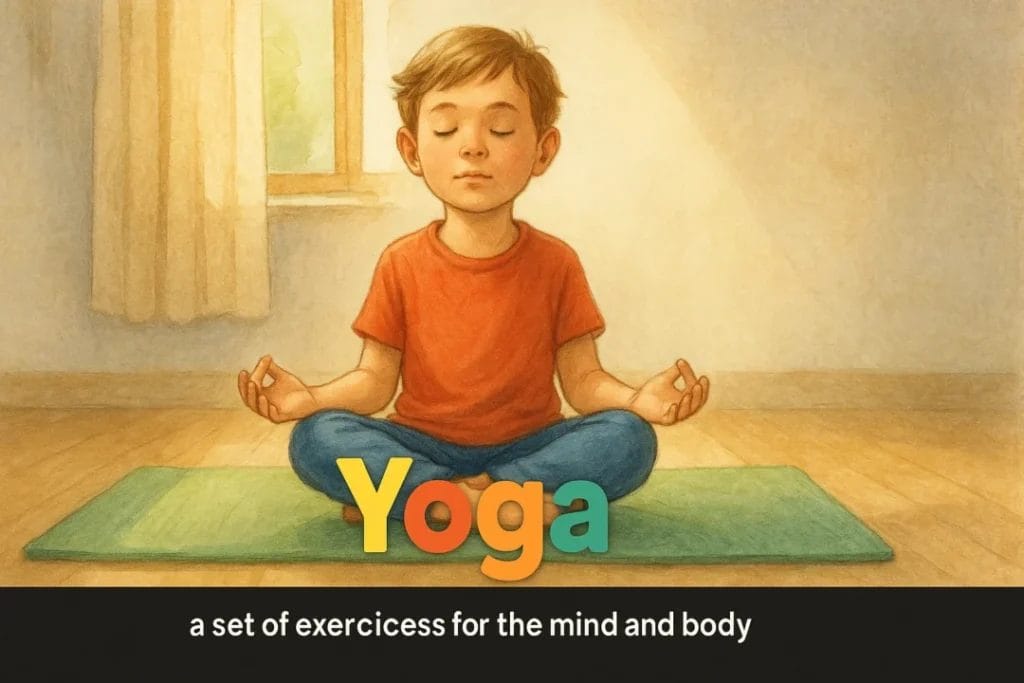
Yoga Definition: A set of exercises for the mind and body.
- She does yoga every morning to feel calm and strong.
- The yoga class helped him relax after a stressful day.
- Practicing yoga in the park makes her feel happy and healthy.
- Real World Use Case: 🔗 Yoga on Youglish
Alpaca Definition: A South American animal with a long neck and long hair.
- The farm had an alpaca with soft, fluffy hair that we could pet.
- She saw an alpaca at the zoo and loved its long neck and cute face.
- The alpaca’s wool was used to make warm sweaters for the winter.
- Real World Use Case: 🔗 Alpaca on Youglish

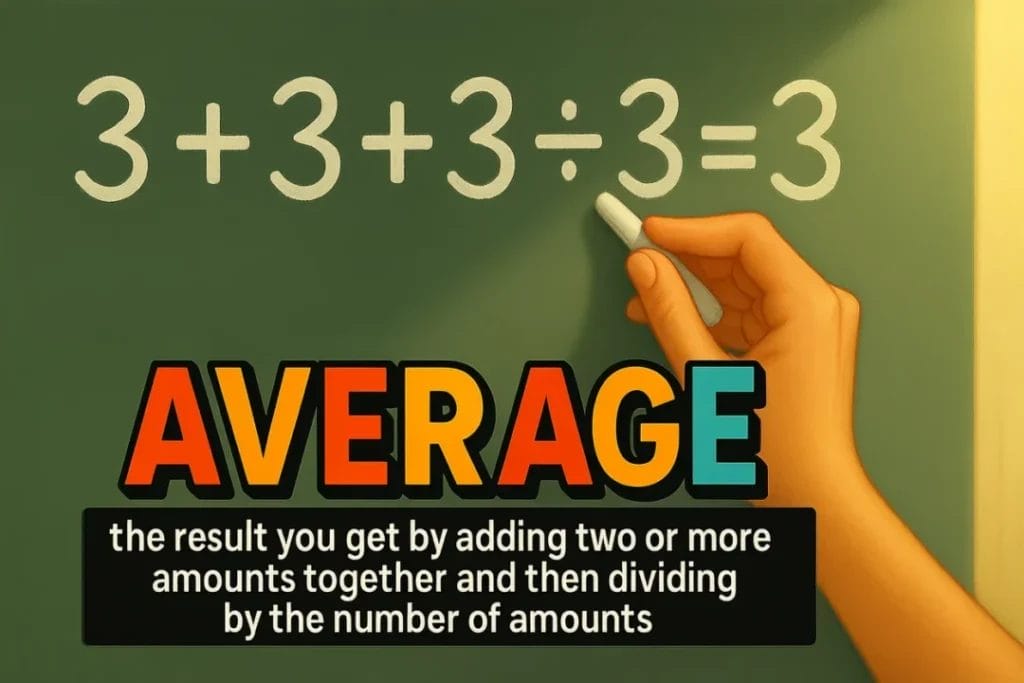
Average Definition: The result you get by adding two or more amounts together and then dividing by the number of amounts.
- His average score in math was 85 after adding all his test marks.
- The average height of the students in the class was about 150 cm.
- She calculated the average time it took to finish the race by dividing the total time.
- Real World Use Case: 🔗 Average on Youglish
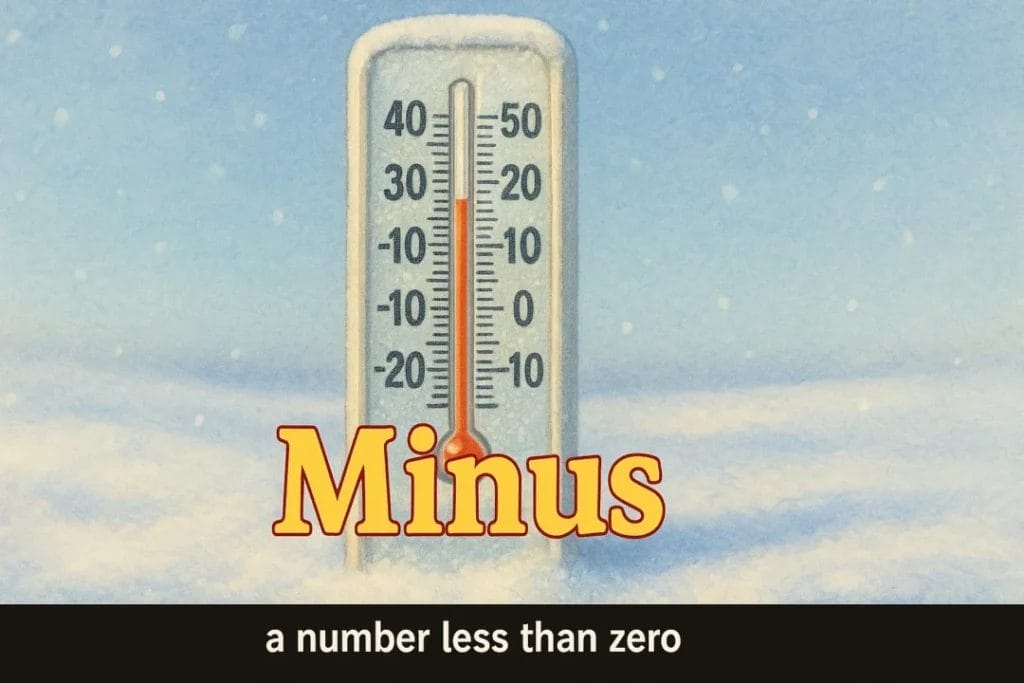
Minus Definition: A number less than zero.
- The temperature was minus five degrees, so we wore heavy coats.
- Her bank account showed a minus balance because she spent too much.
- In math, ten minus twelve equals minus two.
- Real World Use Case: 🔗 Minus on Youglish
Chemical Definition: A basic substance that is used in chemistry.
- The scientist mixed a chemical with water to see what would happen.
- Some cleaners have a strong chemical that can harm your skin.
- In class, we learned how a chemical can change color when heated.
- Real World Use Case: 🔗 Chemical on Youglish

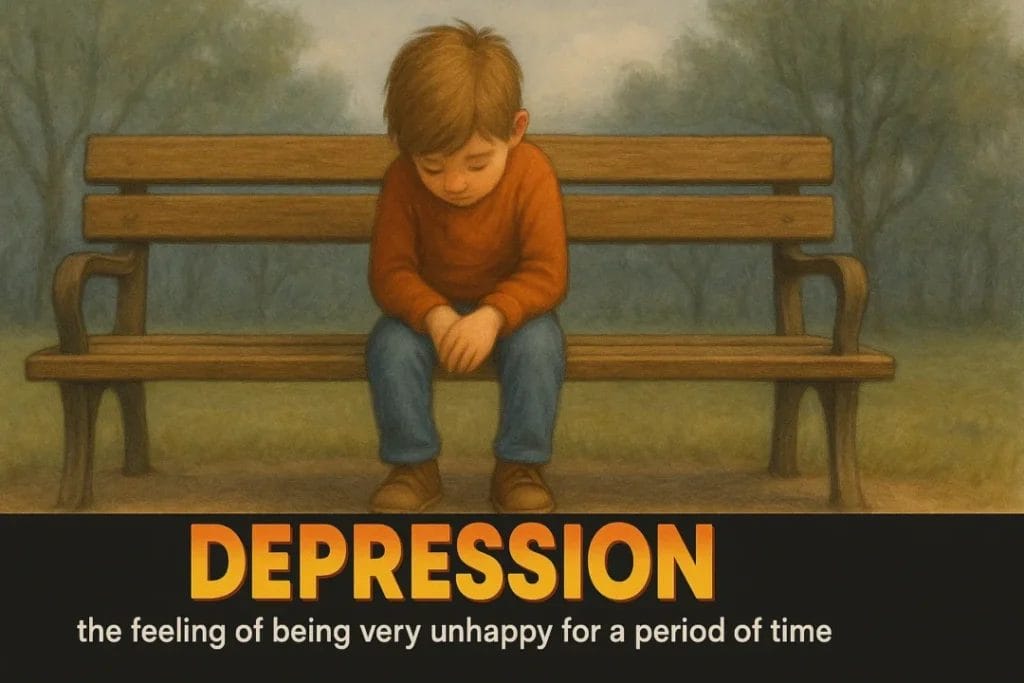
Depression Definition: The feeling of being very unhappy for a period of time.
- He felt depression after losing his job and talked to a friend for help.
- She struggled with depression but felt better after spending time with her family.
- The doctor helped her manage depression by suggesting exercise and rest.
- Real World Use Case: 🔗 Depression on Youglish
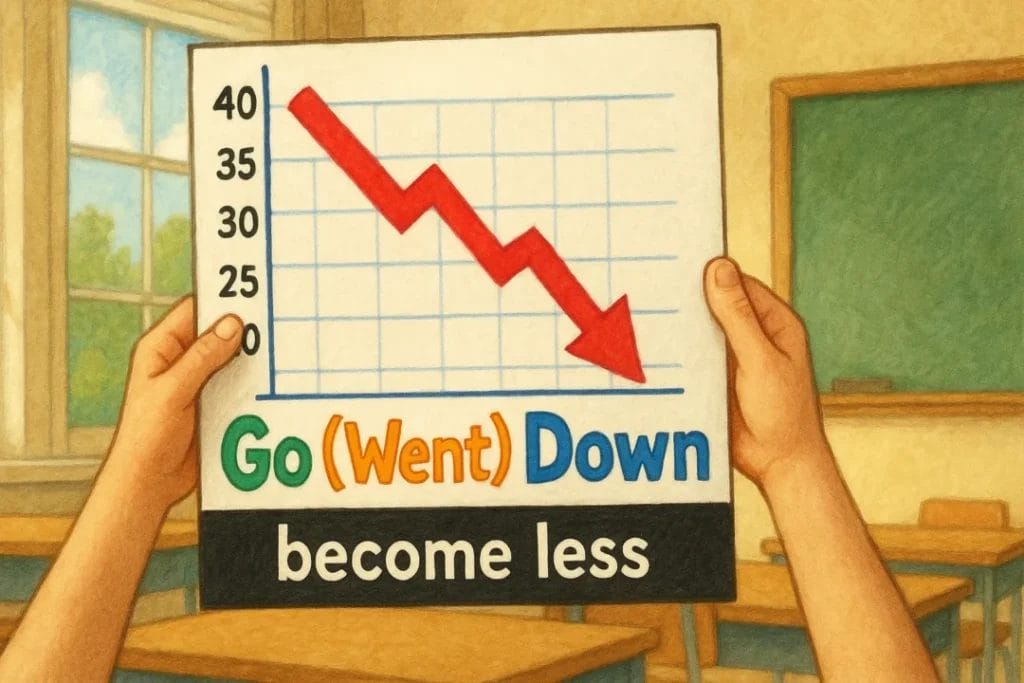
Go (went) down Definition: Become less.
- The price of apples went down after the harvest, so they were cheaper.
- Her fever went down after she took medicine and rested.
- The number of students in the class went down because some were sick.
- Real World Use Case: 🔗 Go down on Youglish
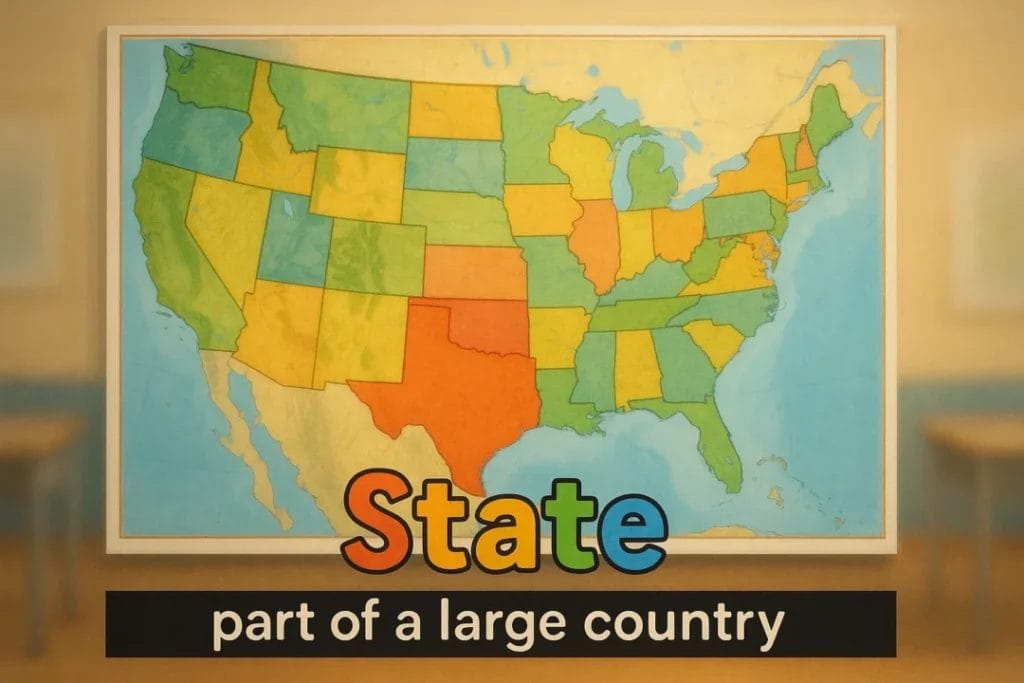
State Definition: Part of a large country.
- California is a state in the USA with beaches and big cities.
- She moved to a new state to start a new school and meet friends.
- Each state in the country has its own rules and capital city.
- Real World Use Case: 🔗 State on Youglish
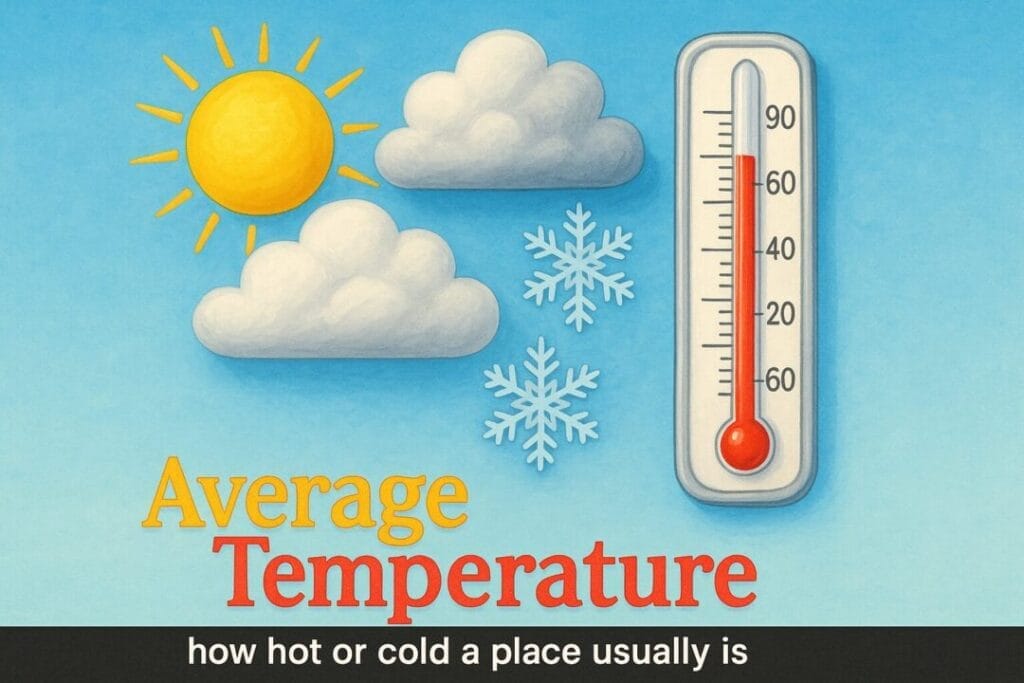
Average temperature Definition: How hot or cold a place usually is.
- The average temperature in summer here is 30 degrees Celsius.
- The average temperature of the city is cool, around 15 degrees in spring.
- Knowing the average temperature helps farmers decide when to plant crops.
- Real World Use Case: 🔗 Average temperature on Youglish
Umbrella Definition: A thing that you hold above your head to keep yourself dry when it is raining.
- She carried an umbrella to stay dry during the rainy walk to school.
- He forgot his umbrella and got wet in the sudden rain.
- The bright red umbrella kept the family dry at the picnic.
- Real World Use Case: 🔗 Umbrella on Youglish

Interactive Activities
Complete Vocabulary Practice with 11 Essential Words
Activity 1: Multiple Choice Quiz
Choose the correct answer for each question.
Vocabulary Activities
Here are some engaging vocabulary activities related to the words mentioned above. These activities will reinforce the vocabulary you’ve just taught your students.
Matching – Vocabulary Quiz
In this activity, the students will match the words with their respective definitions.
Word Search – Find the hidden words in a letter Grid
In this activity, the students will search for the words that the teacher has taught. The words are hidden in a letter grid.
Spin the Wheel – Find the word
In this game, the teacher will spin a wheel, and eventually, it will stop. When the wheel stops, the students will see the meaning of a specific word. Then, the teacher will ask one of the students to guess the word by carefully reading its definition. The teacher may ask the student to make a sentence for the word.
Unscramble the word or phrase – Vocabulary Quiz
In this activity, the students will move the letters around to put them in the right order and reveal a word or phrase. All these words are connected to the above vocabulary.
Open the box
In this fun activity, the teacher will choose one of the students to participate. First, that student will pick a number. Then, the teacher will click on the chosen number. What happens next? Well, the student will see the meaning of a word—a word related to the vocabulary the teacher has taught in class. Now comes the exciting part: the student needs to read the meaning and guess the word! If the guess is correct, the teacher might even ask the student to create a sentence using that word.