
Unlock 1 -Unit 1 – People – RW – Vocabulary 1

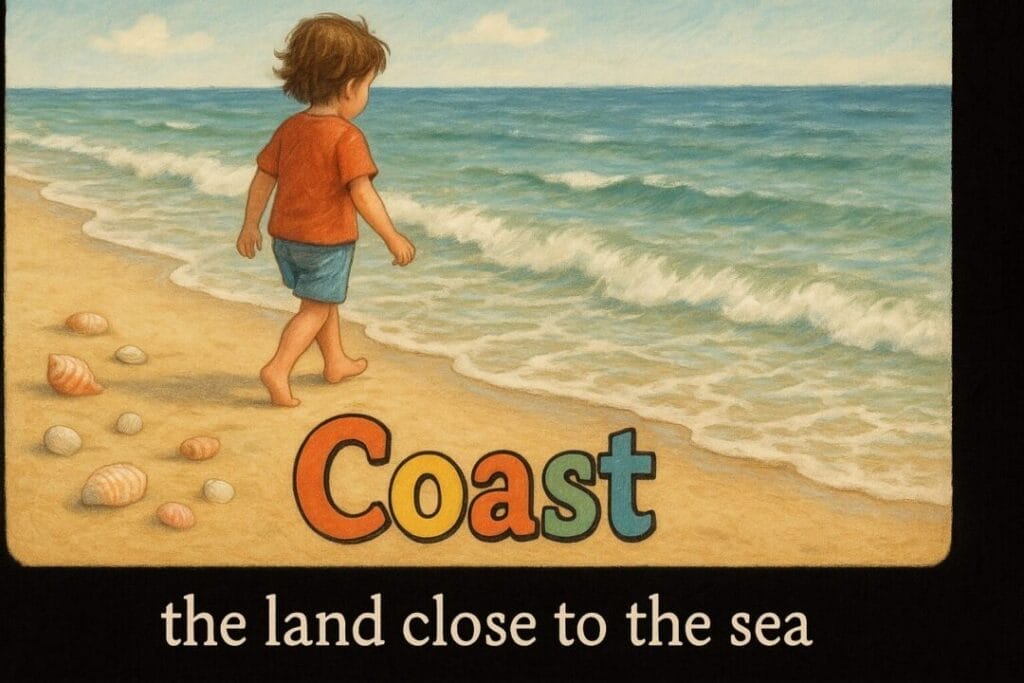
Coast Definition: The land close to the sea.
- They built a small house on the coast so they could see the ocean every day.
- The coast was full of shells and rocks that the kids loved to collect.
- We walked along the coast and watched the waves crash on the shore.
- Real World Use Case: 🔗 Coast on Youglish
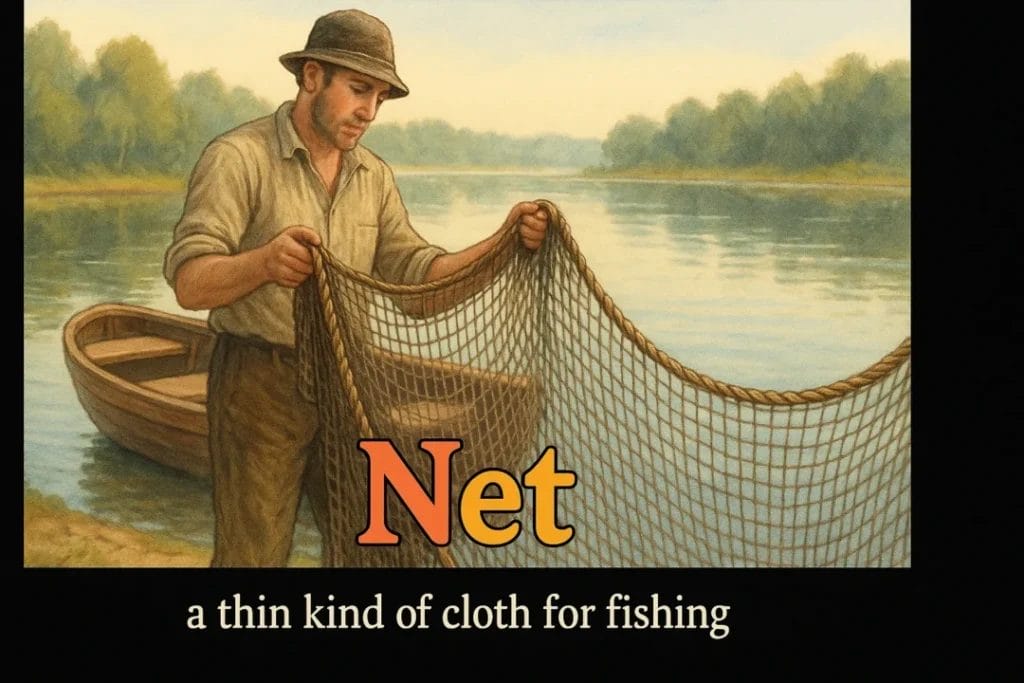
Net Definition: A thin kind of cloth for fishing.
- The fisherman used a net to catch fish in the lake.
- She fixed a hole in the net so no fish could escape while fishing.
- He threw the net into the water and pulled it back with many fish inside.
- Real World Use Case: 🔗 Net on Youglish
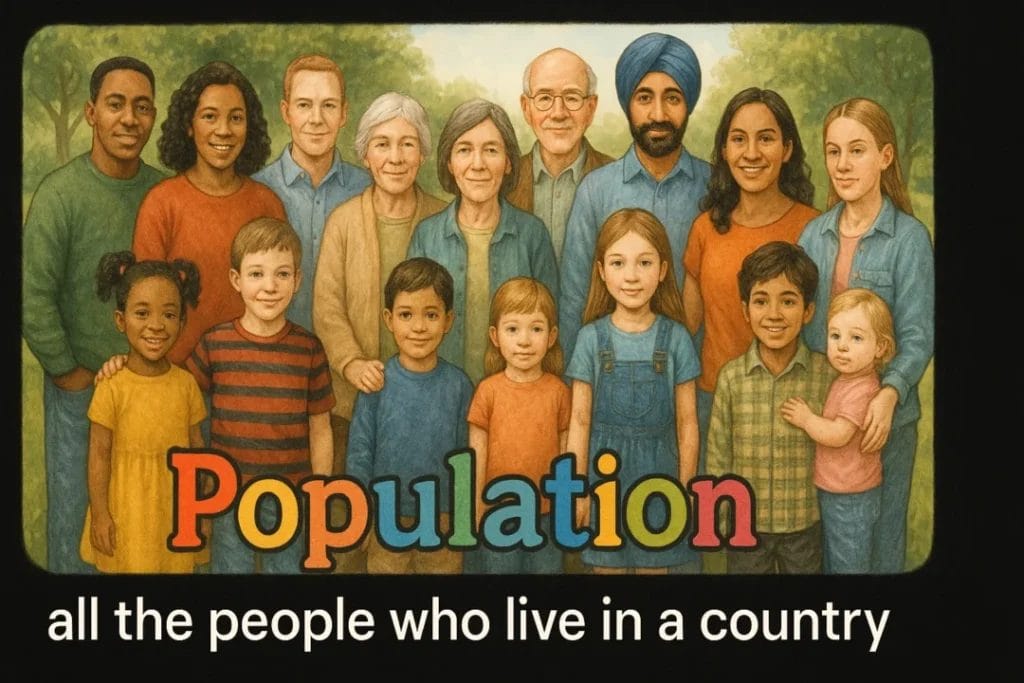
Population Definition: All the people who live in a country.
- The population of the small town grew when new families moved there.
- China has a large population, with millions of people living in its cities.
- The population of the village was only 500 people, making it very quiet.
- Real World Use Case: 🔗 Population on Youglish
Relax Definition: To become happy and comfortable.
- After a long day, she likes to relax by reading a book in a cozy chair.
- He went to the park to relax and feel calm while watching the birds.
- Listening to music helps me relax and forget about my worries.
- Real World Use Case: 🔗 Relax on Youglish

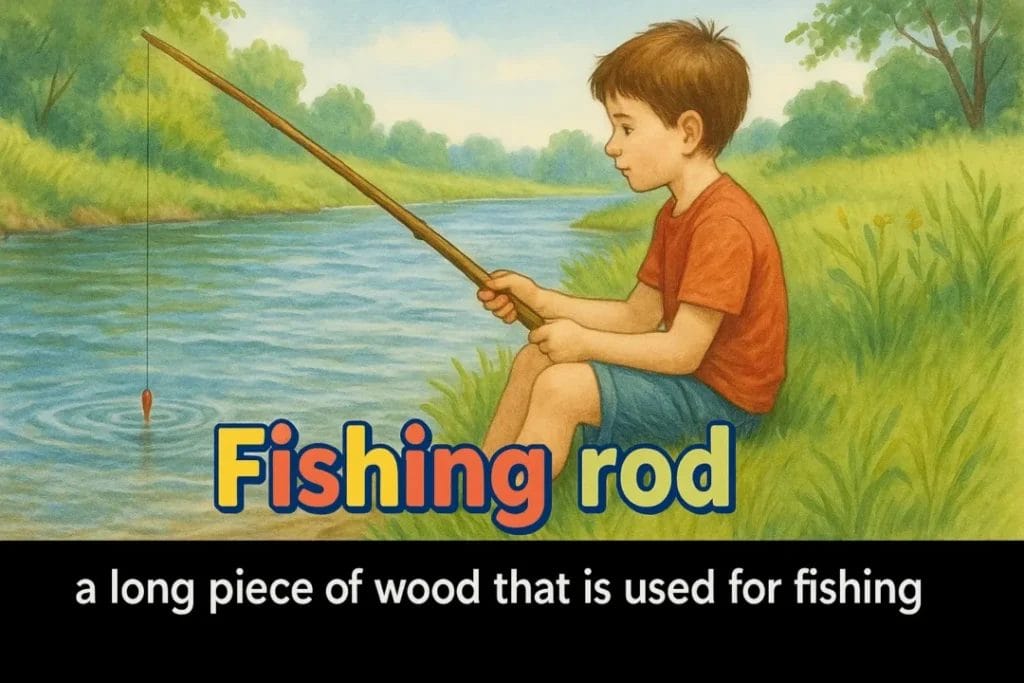
Fishing Rod Definition: A long piece of wood that is used for fishing.
- He took his fishing rod to the river to catch fish for dinner.
- The fishing rod was light and easy for the boy to hold while fishing.
- She bought a new fishing rod to use on her camping trip by the lake.
- Real World Use Case: 🔗 Fishing Rod on Youglish
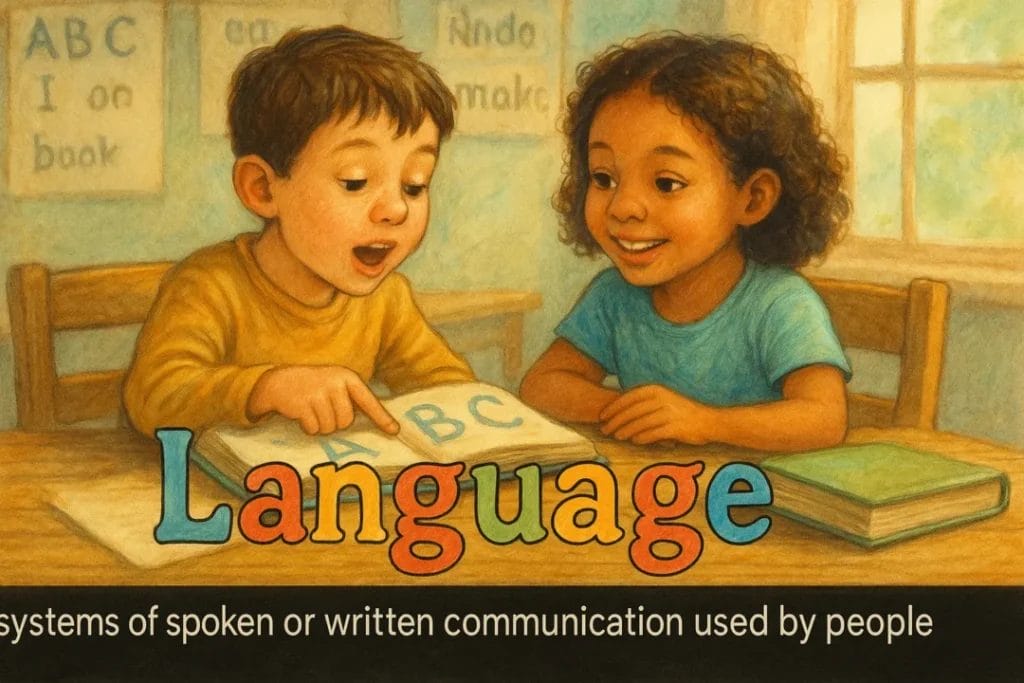
Languages Definition: Systems of spoken or written communication used by people.
- Maria learned two new languages, Spanish and French, to talk with her friends from different countries.
- The school offers classes in many languages, like English and Chinese, to help students communicate.
- He enjoys studying languages because it helps him understand how people express their ideas.
- Real World Use Case: 🔗 Languages on Youglish
City Definition: A large and densely populated urban area.
- New York is a big city where tall buildings and busy streets are everywhere.
- She moved to a city to find better schools and more shops for her family.
- The city was so crowded that it took hours to drive through the center.
- Real World Use Case: 🔗 City on Youglish

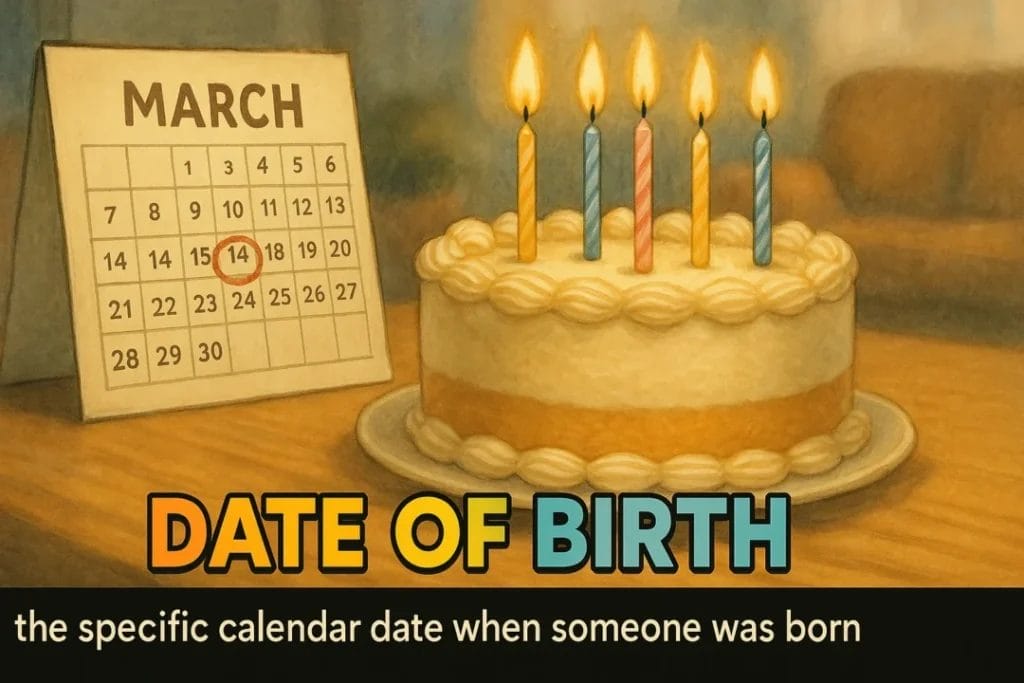
Date of Birth Definition: The specific calendar date when someone was born.
- On her job application, she wrote her date of birth as July 15, 2005.
- The doctor asked for his date of birth to check his age before giving medicine.
- My date of birth is written on my passport to show when I was born.
- Real World Use Case: 🔗 Date of Birth on Youglish
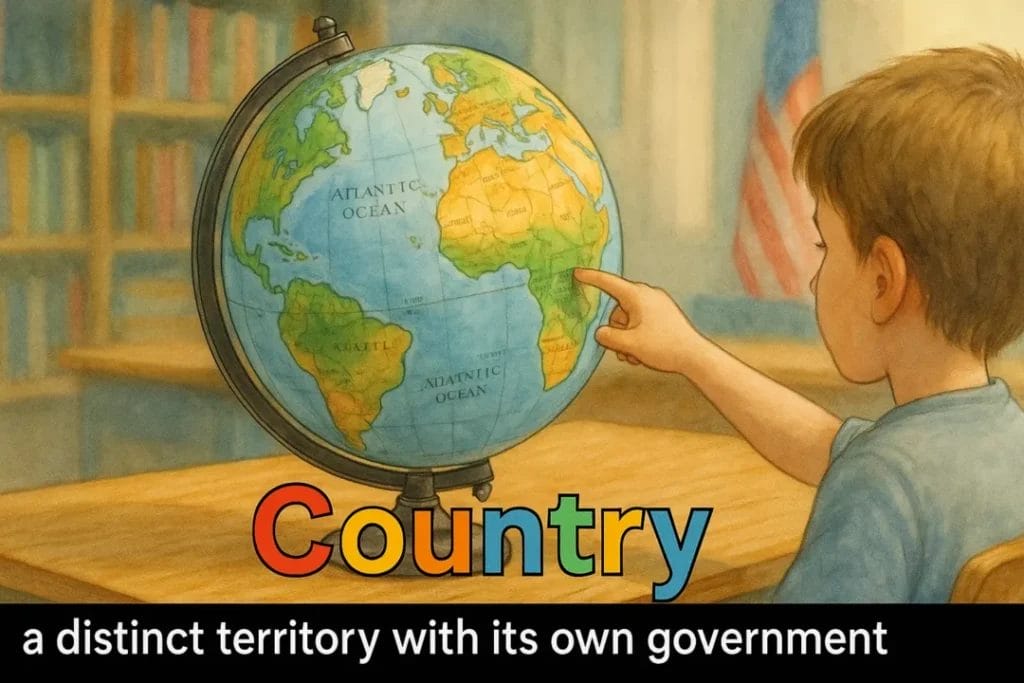
Country Definition: A distinct territory with its own government.
- Japan is a country with its own flag, laws, and leaders.
- She traveled to a new country to learn about its culture and food.
- Each country sends athletes to compete in the Olympic Games.
- Real World Use Case: 🔗 Country on Youglish
Job Definition: A paid position of employment.
- He got a job at the bakery, where he earns money by making bread.
- Her job as a teacher keeps her busy helping students learn every day.
- Finding a good job was important to him so he could pay for his house.
- Real World Use Case: 🔗 Job on Youglish

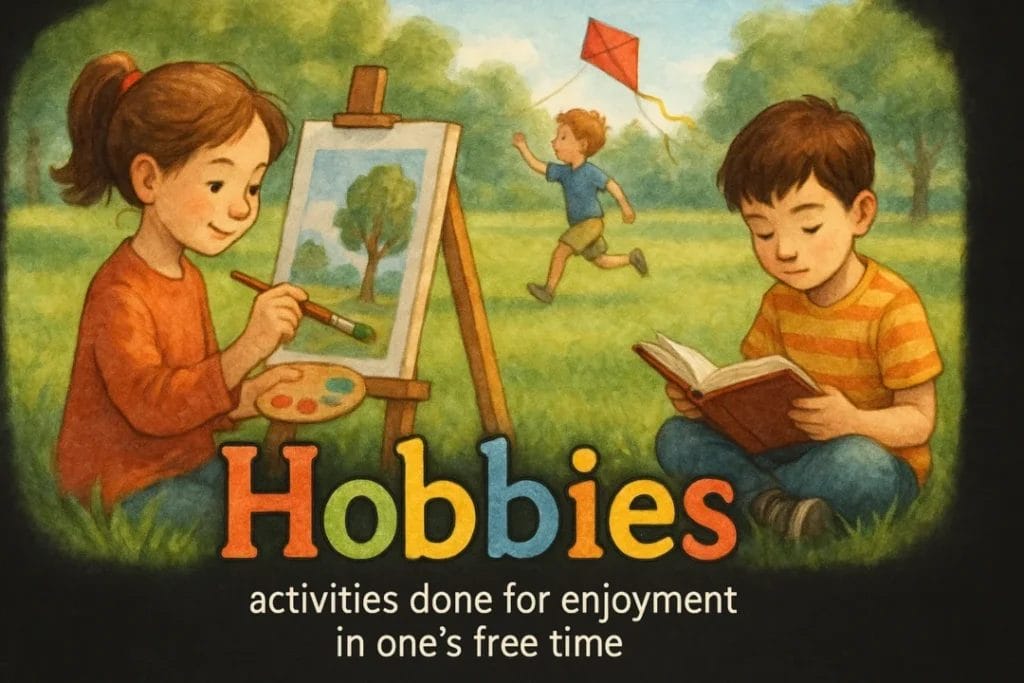
Hobbies Definition: Activities done for enjoyment in one’s free time.
- Painting and dancing are her favorite hobbies because they make her happy after school.
- His hobbies include playing soccer and collecting coins in his free time.
- She spends her weekends on her hobbies, like gardening, to relax and have fun.
- Real World Use Case: 🔗 Hobbies on Youglish
Follow-Up Activity
📝 Hobby List: Create a list of 3 hobbies you enjoy or want to try, using “hobbies” in a sentence to introduce the list.
1. THINK-PAIR-SHARE ACTIVITY
👥 PARTNER DISCUSSION:
With your partner, discuss these questions:
• What are your favorite hobbies? Why do you enjoy them?
• How do hobbies help people relax or stay active?
• Would you rather try a new hobby or stick to one you know? Why?
2. SPEAKING ACTIVITY
💬 SENTENCE COMPLETION:
Complete these sentences with your own ideas:
• Hobbies make me think of…
• I would try new hobbies when…
• The best time to enjoy hobbies is…
Interactive Activities
Complete Vocabulary Practice with 11 Essential Words
Activity 1: Multiple Choice Quiz
Choose the correct answer for each question.
Vocabulary Activities
Here are some engaging vocabulary activities related to the words mentioned above. These activities will reinforce the vocabulary you’ve just taught your students.
Matching – Vocabulary Quiz
In this activity, the students will match the words with their respective definitions.
Word Search – Find the hidden words in a letter Grid
In this activity, the students will search for the words that the teacher has taught. The words are hidden in a letter grid.
Spin the Wheel – Find the word
In this game, the teacher will spin a wheel, and eventually, it will stop. When the wheel stops, the students will see the meaning of a specific word. Then, the teacher will ask one of the students to guess the word by carefully reading its definition. The teacher may ask the student to make a sentence for the word.
Unscramble the word or phrase – Vocabulary Quiz
In this activity, the students will move the letters around to put them in the right order and reveal a word or phrase. All these words are connected to the above vocabulary.
Open the box
In this fun activity, the teacher will choose one of the students to participate. First, that student will pick a number. Then, the teacher will click on the chosen number. What happens next? Well, the student will see the meaning of a word—a word related to the vocabulary the teacher has taught in class. Now comes the exciting part: the student needs to read the meaning and guess the word! If the guess is correct, the teacher might even ask the student to create a sentence using that word.
Unlock 1 – Unit 1 – R & W – Vocabulary 1.pptx by Zahid Khan